SH&JG
Search in SH&JG
Shāng Hán Lùn: On Cold Damage
伤寒论 shāng hán lùn
A Chinese medical text by recompiled by Wáng Shū-Hé from
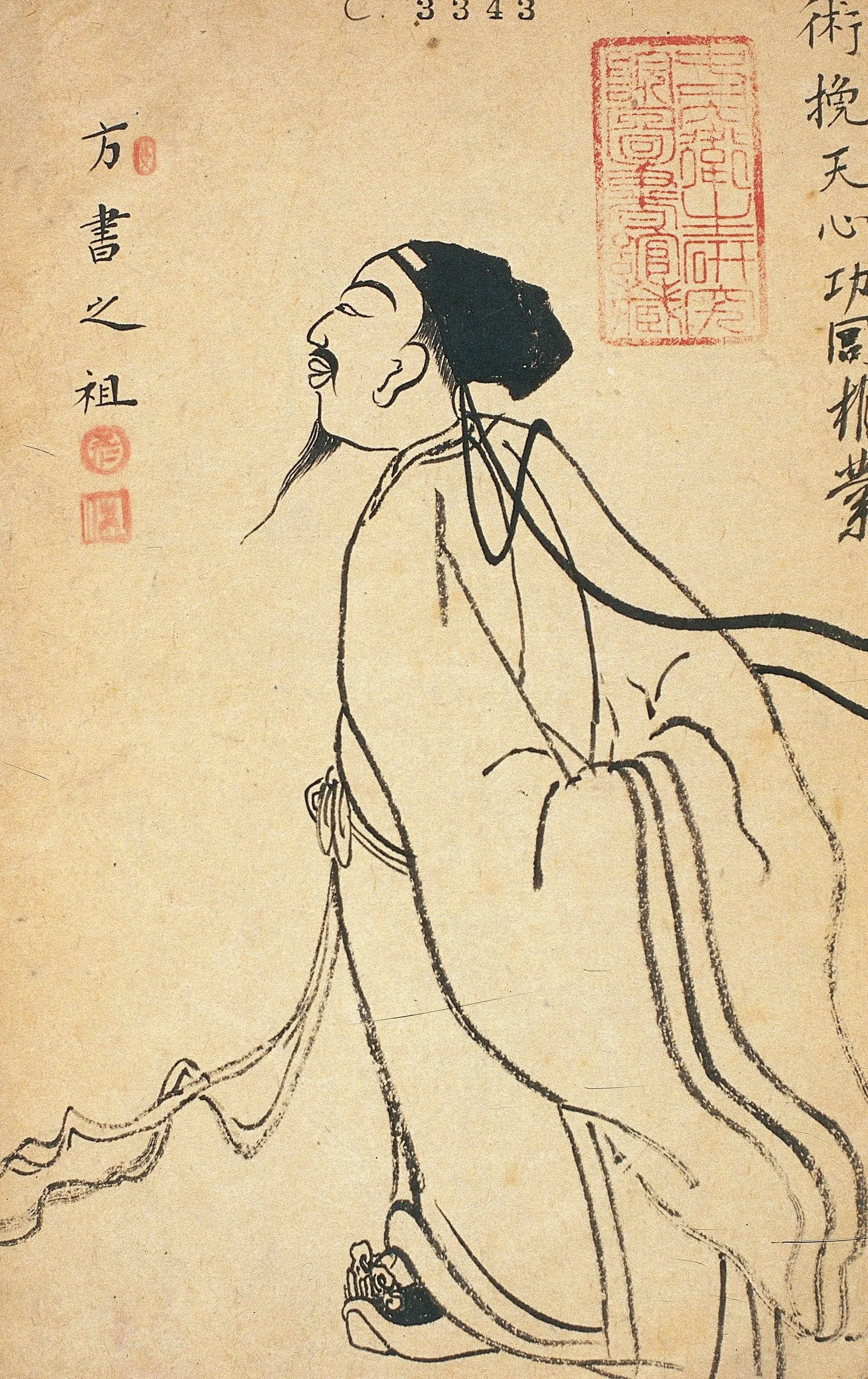
Table of Contents
Shāng Hán Lùn Translators’ Foreword
The Author Zhāng Jī (Zhòng Jǐng)
The History of the Shāng Hán Lùn Text
The Relationship of the Shāng Hán Lùn to the Sù Wèn
The Development of Shāng Hán Lùn Thought
The Contents of the Shāng Hán Lùn
Six-Channel Pattern Identification
Eight-Principle Pattern Identification
Bowel and Visceral Pattern Identification
The Language of the Shāng Hán Lùn
Chapter 1. Greater Yáng Disease: Pulses, Signs, Treatments
1.1. Overview of Greater Yáng Disease
1.1.1 Signs and Pulses of Greater Yáng Disease
1.1.2 Treatment Principles of Greater Yáng Disease
1.1.3 Overview of Greater Yáng Disease
1.2. Essential Features of Greater Yáng Disease
1.2.1 Identification of Disease Passage and Periods of Resolution
1.2.2 Section Appendix: Periods of Resolution for the Six Channels
1.3. Basic Greater Yáng Disease Patterns
1.3.1 Wind Strike Exterior Vacuity Patterns
1.3.1.1 Cinnamon Twig Decoction Patterns
1.3.1.2 Contraindications for Cinnamon Twig Decoction
1.3.1.3 Concurrent Patterns
1.3.2 Cold Damage Exterior Repletion Patterns
1.3.2.1 Ephedra Decoction Pattern
1.3.2.2 Contraindications for Ephedra Decoction
1.3.2.3 Concurrent Patterns
1.3.3 Mild Patterns of Exterior Depression
1.4. Transmuted Patterns of Greater Yáng Disease
1.4.1 Treatment Principles for Greater Yáng Transmuted Patterns
1.4.2 Differentiation of Vacuity and Repletion Patterns
1.4.3 Differentiation of True and False Heat
1.4.4 Identifying the Order of the Promotion of Sweating and Use of Precipitation
1.4.5 Heat Patterns
1.4.5.1 Gardenia and Fermented Soybean Decoction Patterns
1.4.5.2 Ephedra, Apricot Kernel, Licorice, and Gypsum Decoction Patterns
1.4.5.3 White Tiger Decoction Plus Ginseng Patterns
1.4.5.4 Pueraria, Scutellaria, and Coptis Decoction Patterns
1.4.5.5 Scutellaria Decoction and Scutellaria Decoction Plus Pinellia and Fresh Ginger Patterns
1.4.6 Vacuity Cold Patterns
1.4.6.1 Heart Yáng Vacuity Patterns
Cinnamon Twig and Licorice Decoction Patterns
Cinnamon Twig, Licorice, Dragon Bone, and Oyster Shell Decoction Patterns
Cinnamon Twig Decoction Plus Extra Cinnamon Patterns
1.4.6.2 Yáng Vacuity and Water Qì Patterns
Poria, Cinnamon Twig, Licorice, and Jujube Decoction Patterns
Poria, Cinnamon Twig, White Atractylodes, and Licorice Decoction Patterns
Cinnamon Twig Decoction Minus Cinnamon Twig Plus Poria and White Atractylodes Patterns
1.4.6.3 Spleen Vacuity Patterns
Officinal Magnolia Bark, Fresh Ginger, Pinellia, Licorice, and Ginseng Decoction Patterns
Minor Center-Fortifying Decoction Patterns
Cinnamon Twig and Ginseng Decoction Patterns
1.4.6.4 Kidney Yáng Vacuity Patterns
Dried Ginger and Aconite Decoction Patterns
Poria Counterflow Cold Decoction Patterns
True Warrior Decoction Patterns
1.4.7 Yīn and Yáng Vacuity Patterns
1.4.7.1 Licorice and Dried Ginger Decoction Patterns and Peony and Licorice Decoction Patterns
1.4.7.2 Peony, Licorice, and Aconite Decoction Patterns
1.4.7.3 Honey-Fried Licorice Decoction Patterns
1.4.8 Water Amassment Patterns
1.4.9 Blood Amassment Patterns
1.4.10 Chest Bind Patterns
Heat Repletion Chest Bind Patterns
Major Chest Bind Pill Patterns
Major Chest Bind Decoction Patterns
Minor Chest Bind Decoction Patterns
Cold Repletion Chest Bind Patterns
1.4.10.2 Cold Repletion Chest Bind Patterns
1.4.11 Storehouse Bind Patterns
1.4.12 Glomus Patterns
1.4.12.1 Heat Glomus Patterns
Rhubarb and Coptis Heart-Draining Decoction Patterns
Aconite Heart-Draining Decoction Patterns
1.4.12.2 Cold-Heat Complex Glomus Patterns
Pinellia Heart-Draining Decoction Patterns
Fresh Ginger Heart-Draining Decoction Patterns
Licorice Heart-Draining Decoction Patterns
1.4.12.4 Water Glomus Patterns (Poria Five Powder Patterns)
1.4.12.5 Phlegm Qì Glomus Patterns (Inula and Hematite Decoction Patterns)
1.4.13 Upper Burner Heat and Lower Burner Cold Patterns: Coptis Decoction Patterns
1.4.14 Adverse Treatment by Fire Patterns
1.4.15 Recovery Pattern Identification
1.5. Patterns Similar to Greater Yáng Disease
1.5.1 Ten Jujubes Decoction Patterns
1.5.2 Melon Stalk Powder Patterns
1.6. Chapter Appendix
Chapter 2. Yáng Brightness Disease: Pulses, Signs, Treatments
2.1. Overview of Yáng Brightness Disease
2.1.1 Chief Signs of Yáng Brightness Disease
2.1.2 Treatment Principles of Yáng Brightness Disease
2.1.3 Schematic Overview of Yáng Brightness Disease
2.2. Essential Features of Yáng Brightness Disease
2.2.1 Causes and Pathomechanisms of Yáng Brightness Disease
2.2.2 Pulses and Signs of Yáng Brightness Disease
2.2. Basic Yáng Brightness Disease Patterns
2.3.1 Heat Patterns
2.3.1.1 Gardenia and Fermented Soybean Decoction Patterns
2.3.1.2 White Tiger Decoction Patterns
2.3.1.3 White Tiger Decoction Plus Ginseng Patterns
2.3.1.4 Polyporus Decoction Patterns
2.3.2 Repletion Patterns
2.3.2.1 Qi-Coordinating Decoction Patterns
Stomach-Regulating Qi-Coordinating Decoction Patterns
Minor Qi-Coordinating Decoction Patterns
Major Qi-Coordinating Decoction Patterns
2.3.2.2 Moistening and Enema Patterns
2.3.2.3 Precipitation Pattern Identification
2.3.2.4 Contraindications for Precipitation
2.4. Yáng Brightness Disease with Transmuted Patterns
2.4.1 Yellowing Patterns
2.4.2 Blood Heat Patterns
2.5. Yáng Brightness Disease Pattern Identification
2.5.1 Differentiation of Wind Strike and Cold Strike Patterns
2.5.2 Differentiation of Vacuity and Repletion Patterns
2.6. Chapter Appendix
Chapter 3. Lesser Yáng Disease: Pulses, Signs, Treatments
3.1. Overview of Lesser Yáng Disease
3.1.1 Pulses and Signs of Lesser Yáng Disease
3.1.2 Treatment Principles of Lesser Yáng Disease
3.1.3 Schematic Overview of Lesser Yáng Disease
3.2. Essential Features of Lesser Yáng Disease
3.3. Basic Lesser Yáng Disease Patterns
3.3.1 Minor Bupleurum Decoction Patterns
3.3.2 Contraindications for Minor Bupleurum Decoction
3.4. Lesser Yáng Disease with Transmuted Patterns
3.4.1 Treatment Principles for Transmuted Patterns
3.4.2 Bupleurum and Cinnamon Twig Decoction Patterns
3.4.3 Major Bupleurum Decoction Patterns
3.4.4 Bupleurum Decoction Plus Mirabilite Patterns
3.4.5 Bupleurum, Cinnamon Twig and Dried Ginger Decoction Patterns
3.4.6 Bupleurum Decoction Plus Dragon Bone and Oyster Shell Patterns
3.4.7 Disease Passage and Prognosis
3.4.8 Section Appendix: Heat Entering the Blood Chamber
3.5. Chapter Appendix
Chapter 4. Greater Yīn Disease: Pulses, Signs, Treatments
4.1. Overview of Greater Yīn Disease
4.1.1 Pulses and Signs of Greater Yīn Disease
4.1.2 Treatment Principles of Greater Yīn Disease
4.1.3 Schematic Overview of Greater Yīn Disease
4.2. Essential Features of Greater Yīn Disease
4.2.1 Period of Resolution for Greater Yīn Disease
4.3. Basic Greater Yīn Disease Patterns
4.4. Greater Yīn Disease with Transmuted Patterns
4.4.1 Greater Yīn Disease with Exterior Patterns
4.4.2 Greater Yīn Abdominal Pain Patterns
4.4.3 Greater Yīn Disease Shifting to Recovery and Shifting into Yáng Brightness
Chapter 5. Lesser Yīn Disease: Pulses, Signs, Treatments
5.1. Overview of Lesser Yīn Disease
5.1.1 Pulses and Signs of Lesser Yīn Disease
5.1.2 Treatment Principles of Lesser Yīn Disease
5.1.3 Schematic Overview of Lesser Yīn Disease
5.2. Essential Features of Lesser Yīn Disease
5.2.1 Primary Pulse and Signs of Cold Transformation Patterns
5.2.2 Contraindications for the Treatment of Lesser Yīn Disease
5.3. Basic Lesser Yīn Disease Patterns
5.3.1 Cold Transformation Patterns
5.3.1.1 Counterflow Cold Decoction Patterns
5.3.1.2 Vessel-Freeing Counterflow Cold Decoction Patterns
5.3.1.3 Scallion [Yáng-]Freeing Decoction and Scallion [Yáng-]Freeing Decoction Plus Pig’s Bile Patterns
5.3.1.4 True Warrior Decoction Patterns
5.3.1.5 Aconite Decoction Patterns
5.3.1.6 Evodia Decoction Patterns
5.3.1.7 Peach Blossom Decoction Patterns
5.3.1.8 Needling and Moxibustion
5.3.1.9 Prognosis
Treatable Patterns of Yáng Return and Spontaneous Recovery
Untreatable Patterns of Yáng Collapse
5.3.2 Heat Transformation Patterns
5.3.2.1 Coptis and Ass Hide Glue Decoction Patterns
5.3.2.2 Polyporous Decoction Patterns
5.4. Lesser Yĩn Disease with Transmuted Patterns
5.4.1 Ephedra, Aconite, and Asarum Decoction Patterns
5.4.2 Urgent Precipitation for Three Lesser Yīn Patterns
5.4.3 Counterflow Cold Powder Patterns
5.4.4 Patterns of Heat Shifting into the Bladder
5.4.5 Patterns of Fluid Damage and Blood Stirring
5.5. Sore Throat Patterns
5.5.1 Pig Skin Decoction Patterns
5.5.2 Licorice Decoction and Platycodon Decoction Patterns
5.5.3 Vinegar Decoction Patterns
5.5.4 Pinellia Powder and Decoction Patterns
5.6. Chapter Appendix
Chapter 6. Reverting Yīn Disease: Pulses, Signs, Treatments
6.1. Overview of Reverting Yīn Disease
6.1.1 Treatment Principles of Reverting Yīn Disease
6.1.2 Overview of Reverting Yīn Disease
6.2. Essential Features of Reverting Yīn Disease
6.3. Upper-Body Heat and Lower-Body Cold Patterns
6.3.1 Mume Pill Patterns
6.3.2 Dried Ginger, Scutellaria, Coptis, and Ginseng Decoction Patterns
6.3.3 Ephedra and Cimicifuga Decoction Patterns
6.4. Differentiation of Overcoming or Relapse in Reversal Heat Patterns
6.5. Identification of Reversal Patterns
6.5.1 Pathomechanism and Special Signs of Reversal Patterns
6.5.2 Heat Reversal
6.5.3 Cold Reversal
6.5.3.1 Reversal from Yáng Vacuity and Exuberant Cold
6.5.3.2 Reversal from Blood Vacuity and Congealed Cold
6.5.3.3 Reversal from Cold Bind in the Lower Burner
6.5.3.4 Reversal Patterns and Moxibustion
6.5.4 Other Reversal Patterns
6.5.4.1 Phlegm Reversal
6.5.4.2 Water Reversal
6.5.5 Contraindications for the Treatment of Reversal Patterns
6.6. Identification of Diarrhea Patterns
6.7. Identification of Retching and Hiccup Patterns
6.7.1 Identification of Retching Patterns
6.7.2 Identification of Hiccup Patterns
6.8. Prognosis
6.8.1 Identification of Signs of Recovery in Cold Patterns
6.8.2 Identification of Signs of Impending Death in Vacuity Cold Patterns
6.8.3 Identification of Scenarios in Vacuity Cold Diarrhea Patterns
6.9. Chapter Appendix
Chapter 7. Sudden Turmoil: Pulses, Signs, Treatments
Chapter 8. Yin-Yáng Exchange and Taxation Relapse: Pulses, Signs, Treatments
8.1. Overview of Yin-Yáng Exchange and Taxation Relapse
8.2. Yin-Yáng Exchange
8.3. Taxation Relapse
Appendix: Shāng Hán Lùn Language Study
See also language study.