Jiao
Search in Jiao
Case Studies on Pattern Identification
焦樹德从病例谈辨证论治 jiāo shū dé cóng bìng lì tán biàn zhèng lùn zhì
Table of Contents
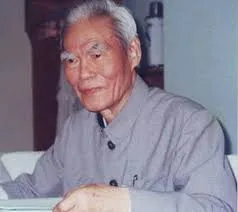
Jiāo’s Case Studies Translator’s Foreword
Chapter One: Pattern-based treatment requires mastery of the four examinations
Case 1: Concretion and conglomeration mounting pain (twisted ovarian cyst)
Case 3: Dizziness and insomnia (low blood pressure)
Case 4: Lesser yáng (shào yáng) heat depression (fever of undetermined cause)
Case 5: Amenorrhea with blood stasis engendering macules (subacute lupus erythematosus)
Chapter Two: Chinese medical theory is the foundation of pattern-based treatment
Case 1: Enuresis during sleep
Case 2: Coughing blood (hemoptysis) (bronchiectasis)
Case 3: Inverted menstruation (cerebral arterio-venous deformity)
Case 4: Urinary incontinence and toothache
Case 5: Bladder cough (cough with urinary incontinence)
Chapter Three: Choosing treatment methods according to pattern is key to pattern-based treatment
Case 1: Malaria (fever, etiology unknown)
Case 2: Convulsions (cerebral tumor?)
Case 3: Wind strike (cerebral arterial thrombosis)
Case 4: Severe insomnia
Case 5: Insomnia and seminal emission
Chapter Four: Flexible application of formulas and medicinals in pattern-based treatment
Case 1: Swelling in both rib-sides
Case 2: Liver-kidney qì stagnation, damp amassment in the urinary bladder (urinary calculi)
Case 3: Vomiting and constipation (traumatic bone fracture sequelae)
Case 4: Post-miscarriage placental retention (partial placental retention)
Case 5: Hair loss (alopecia)
Chapter Five: Applying pattern-based treatment to Western medical diseases
Case 1: Hyperactive tongue wind (pediatric chorea, Sydenham chorea)
Case 2: Chest impediment (acute myocarditis)
Case 3: Jaundice (acute infectious hepatitis)
Case 4: Summerheat warmth with dampness (epidemic encephalitis B)
Case 5: Head wind (Sheehan’s syndrome)
Chapter Six: Same treatment for different diseases and different treatment for same diseases
Case 1: Abdominal Pain (Acute Gastritis)
Case 2: Stomach duct pain (acute gastritis)
Case 3: Greater Yáng (tài yáng) and Yáng Brightness (yáng míng) Combination Disease (Salmonella Infection)
Case 4: Wheezing and panting (asthma)
Case 5: Wheezing and panting (asthma)
Chapter Seven: Important issues in pattern-based treatment
Case 1: Joint-deformity impediment (rheumatoid arthritis)
Case 2: Hemilateral headache (angio-neurotic headache)
Case 3: Intestinal welling-abscess (acute appendicitis)
Case 4:
Case 5: Hemilateral headache (cervical spondylosis)
Chapter Eight: Pattern-based treatment requires constant improvement and development
Case 1: Stone strangury (urinary calculus)
Case 2: Headache and heart palpitations (Level III atrioventricular block)
Case 3: Suspended rheum (exudative pleurisy)
Case 4: Chest impediment (coronary heart disease, angina pectoris)
Case 5: Dizziness and headache, soft tetany (renal and malignant hypertension)